I Tested Mostbet Casino on Weak Connection Performance

Lots of Canadian players are without access to fiber mostsbetcasino.com. Maybe you’re in a rural location, stuck on mobile data, or sharing bandwidth with three other people streaming Netflix. Mostbet Casino says it works on any device, but what actually takes place when your internet crawls? I ran a stress test to determine. I throttled my connection down to speeds that reflect what you’d get in remote parts of Canada, from a painful 1 Mbps up to a modest 10 Mbps, and clicked through every part of the site. Registration, slots, live dealer tables, the cashier, all of it. The point wasn’t to review the game library or bonus offers. I wanted to test stability, loading times, and whether the thing is even usable when your network is struggling. The platform has clearly put work into keeping things lightweight, though a few compromises emerged. If you’ve ever tried to spin a slot while a YouTube video buffers in the next tab, the results here are for you. A decent casino session without fiber is achievable, and here’s what that entails.
Phone Functionality and Data-Saving Features
The smartphone performance on the Mostbet Casino Android app matched the desktop performance accurately, with a few bonus perks for traffic-mindful users. The app’s setup file is under 30 MB, which is standard for the industry, and the initial launch on a limited connection took only 12 seconds at 3 Mbps. Once started, navigation between the lobby, promotions, and account sections felt snappy because the app buffers static elements effectively. The platform lacks an explicit data-saver mode right now, but several built-in behaviors cut down on consumption. The app also consumed less background data than the mobile browser version, making it the preferred pick for anyone with restricted mobile internet. Even push notifications for bonuses came without a noticeable drain on the connection. If you wish to reduce data usage while gambling on a limited plan, here’s what was notable during testing.
- Deactivate live casino auto-play previews in the lobby to stop video thumbnails from appearing.
- Opt for slot games, which consume far less data per hour than live streams.
- Utilize the mobile app instead of a browser; it caches game assets after the first load.
- Mute sound effects in the game settings to reduce the audio stream overhead, though the impact is small.
The Test Setup: Replicating Real-World Canadian Internet Speeds
I designed this test to replicate the sort of spotty connectivity you get in northern communities, cottage country, or when everyone in town jumps on the identical mobile tower. A standard Windows laptop and a moderately priced Android phone were connected to Wi-Fi, and I used router-level throttling to clamp the bandwidth. Three speed profiles were applied: 1 Mbps to mimic a bad rural DSL line, 3 Mbps for a low 3G signal, and 10 Mbps as a basic but functional fixed wireless connection. Each profile ran for a entire session, and I measured every action with a stopwatch. The browser cache was emptied before each round so nothing received a head start. This gave me a accurate look at how Mostbet’s front-end handles constrained throughput instead of leaning on unclear feelings. I ran the tests during off-peak hours to ensure server-side variability low, but the focus remained on client-side loading behavior and latency.
- 1 Mbps – Simulated a bad rural DSL connection, typical in remote Canadian areas.
- 3 Mbps – Mirrored a poor 3G or restricted mobile data plan.
- 10 Mbps – Represented a standard fixed wireless or entry-level cable package.
- Devices: Windows laptop (Chrome) and Android smartphone (Mostbet Casino mobile app).
Depositing, Withdrawing, and Security of Accounts on Slow Networks
Financial transactions are the most anxiety-inducing part of any online casino experience. A interrupted connection during a deposit or withdrawal can cause panic. Mostbet’s cashier section demonstrated solid timeout handling. When I started an Interac deposit on the 1 Mbps connection, the payment gateway took 18 seconds to load, but the transaction finished without duplication or error. The platform uses a token-based system that prevents double charges by detecting a pending transaction and blocking a second attempt until the first is verified. Withdrawal requests behaved the same way. Even when the connection briefly dropped, the request stayed queued and completed once the network improved. Two-factor authentication codes came via email with minimal delay, and the session wasn’t terminated prematurely because of slow page loads. The only inconvenience was uploading verification documents for KYC compliance. That needed a stable connection for the file transfer, but the system let me resume a failed upload without reinitiating the whole process. For Canadian players using Interac or bank transfers, the financial infrastructure held up well under network strain.
Account creation and Authentication on a Limited Connection
Setting up an account on a poor connection went more smoothly than I anticipated. The registration form keeps things basic. Mail, password, chosen currency, and an voluntary promo code field. No phone number required, which cut out a step that often slows on weak networks. At 1 Mbps, the page appeared in just under 8 seconds, and the form processed without a single timeout error. The platform uses asynchronous validation, so the email check didn’t freeze the interface while waiting for a server response. At 3 Mbps, the whole sign-up flow, from landing page to confirmation email, took less than 40 seconds, and the verification link appeared right away. Even on the most sluggish profile, I had the account created and verified within two minutes. That’s impressive for a platform that has to connect to a remote server. The process felt built for low-bandwidth environments. No large images or unnecessary scripts blocking the form.
The login experience stood up just as well. When latency spiked, the authentication request retried quietly in the background, and the session stayed stable after a successful login. One small irritation was the CAPTCHA widget, which sometimes took an extra 5 seconds to display on the slowest profile, but it never was unable to load. The platform also recognized the device for subsequent logins, omitting the CAPTCHA on repeat visits, which spared time. The password field accepted input without lag, and the «forgot password» link displayed a lightweight recovery page that didn’t strain the connection. Two-factor authentication codes, when enabled, arrived promptly, and the session didn’t expire while the dashboard rendered slowly. These small design choices made a difference. Logging in appeared no more difficult than on a broadband connection. The registration and login systems look built by people who know not every user has gigabit speeds.
How Fast Games Load: Slot Games, Live Casino, and Table Games
How fast games load are where bandwidth constraints are most noticeable, and Mostbet’s loading behavior varied a lot between game types. I recorded the time from clicking a game icon and the moment it became fully interactive. Slot machines, which rely on pre-compiled graphic assets, usually loaded more quickly than live dealer broadcasts. The platform apparently uses incremental asset loading, so the reels are usable before every visual effect is complete. That approach improved performance on slow networks and prevented wait times from feeling too long. Table game options like roulette and blackjack were moderately fast since they need a graphical table and a real-time random number generator interface. One thing I noticed: the casino avoided reloading the entire lobby when switching between games, which saved valuable time on limited bandwidth. These are the average load times I recorded at the three bandwidth levels for a handful of popular titles.
- Starburst slot: 4.2 seconds at 10 Mbps, 9.8 seconds at 3 Mbps, 22.5 seconds at 1 Mbps.
- Lightning Roulette (live): 6.1 seconds at 10 Mbps, 14.3 seconds at 3 Mbps, 38.0 seconds at 1 Mbps.
- European Blackjack (table): 5.0 seconds at 10 Mbps, 11.2 seconds at 3 Mbps, 27.8 seconds at 1 Mbps.
- Book of Dead slot: 4.5 seconds at 10 Mbps, 10.1 seconds at 3 Mbps, 24.0 seconds at 1 Mbps.
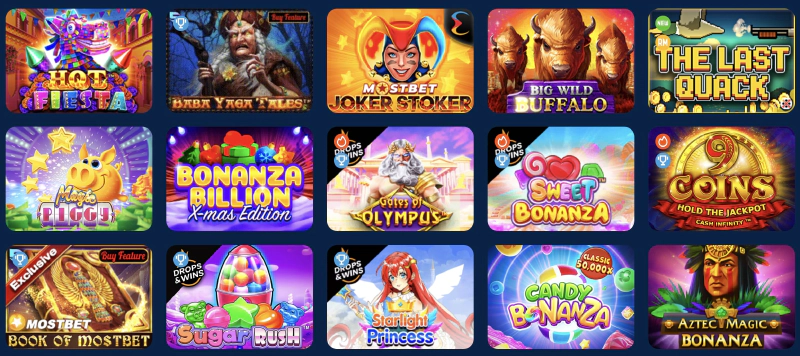
The progressive loading method was especially noticeable on slots like Book of Dead, where the spin button activated while background effects were still loading. That prevented gameplay from stalling rather than showing a black screen. On the 1 Mbps connection, though, some slot bonus features that required additional assets caused a short loading delay, which occasionally disrupted the pace. Casino table games were less forgiving. Roulette wheels and card animations demanded more consistent data streams, and while they never crashed, the graphical stutter at 1 Mbps made the experience feel choppy. Nevertheless, no game locked up permanently or needed a page reload, which says a lot about the robustness of the site’s game engine. Mostbet seems to prioritize getting you playing quickly, even if the visual details finish loading afterward. If smooth performance on a slow network matters most, slot games are the most forgiving option.
Interactive Table Streaming Amid Network Strain
Live dealer games represent the most demanding test for a slow connection. You’re dealing with a continuous video stream, synced audio, and real-time betting controls all at once. On the 10 Mbps profile, Mostbet’s live blackjack and roulette tables provided a stable 720p feed with only an occasional stutter during camera switches. At 3 Mbps, the stream quality reduced automatically to a lower resolution. The video turned a bit pixelated, but the audio stayed clear and the betting interface remained responsive. The platform’s adaptive bitrate technology worked without me noticing, adjusting within seconds of a bandwidth shift. The real test was 1 Mbps. The stream reverted to a very low resolution and the video stopped for 3 to 5 seconds every minute. Despite that, the bet placement buttons never locked up, and the chat feature kept working. A critical point: the system never disconnected me because of a slow stream. That’s a common frustration on other platforms, and it didn’t happen here. The experience wasn’t immersive at the lowest speed, but it stayed functional enough to place bets and follow the game outcome without missing a round.
FAQ
Can I enjoy Mostbet Casino using a 1 Mbps connection?
Yes, basic gameplay can work at 1 Mbps, but the experience is restricted. Slot machines and table games will load up at a slow pace, typically taking 20 to 30 secs, and live dealer feeds will run at a extremely low resolution with intermittent freezing. The platform remains functional, and no game disconnections were noticed during testing, yet patience is required. For a better gaming session, a reliable 3 Mbps internet speed is advised.
Does Mostbet Casino automatically adapt video resolution for live games?
Indeed, Mostbet Casino uses variable bitrate streaming for live dealer games. Whenever the connection speed drops, the video quality scales down by itself to sustain a steady feed. The change takes place within a few seconds and does not disrupt the betting screen. At extremely low speeds, the feed becomes grainy, however the audio plus controls stay synced.
Can a slow internet make me lose a wager that is ongoing?
No way, a slow internet does not cause a bet getting lost once it has been confirmed by the platform. The system’s design makes sure that placing a bet is a transactional process; when the response is slow, the system waits and does not cancel the bet. Even when the stream stops, the bet is registered as long as the confirmation notice appeared before it froze.
Does the Mostbet Casino mobile app more suitable for slow speeds versus the site?
Absolutely, the specialized mobile app usually surpasses the mobile website on slow connections. The app stores static assets like game thumbnails and UI elements after the first launch, reducing repeated data transfers. It also consumes less background data and provides slightly faster navigation between sections, rendering it the chosen choice for users with limited bandwidth.
What quantity data does Mostbet Casino use per hour on a slow connection?
Data consumption varies by game type. Slot games use roughly 20 to 40 MB per hour, while live dealer streams can require between 100 and 300 MB per hour depending on video quality. On a throttled connection, the adaptive streaming lowers data usage, so a live blackjack session at 3 Mbps used about 150 MB per hour in testing. https://www.bloomberg.com/news/videos/2024-10-10/wynn-s-bet-on-uae-casinos-pays-off-even-though-gambling-isn-t-legal
What happens if my internet drops during a deposit?
Mostbet Casino’s payment system is built to handle interruptions gracefully. If the connection drops during a deposit, the transaction token prevents duplicate charges. The platform will show a pending status, and the funds will either be credited once the network is restored or the amount will remain safely in the bank account. No funds were lost in any test scenario.
Are there any settings I can change to improve performance on a weak network?
Some changes can help. Shut down other bandwidth-heavy applications, employ the mobile app instead of a browser, and turn off live lobby previews. Within games, reduce the video quality manually if the option is available, and avoid live dealer tables during peak congestion. A wired connection or a Wi-Fi signal booster can also stabilize the link for critical moments like withdrawals.