Perceived Effectiveness of Medical Cannabis Among Adults with Chronic Pain: Findings from Interview Data in a Three-Month Pilot Study
One study suggested that nabilone may reduce the risk of adverse events compared with gabapentin (?13.1%; 95% CI ?26.2% to 0%), but the certainty of evidence was very low due to risk of bias and imprecision (table 3). The evidence was overall very uncertain due to risk of bias https://www.luckychuckie.com/weed-dc-blog/elevate-your-moments-curated-selections-for-peak-enjoyment and inconsistency. We observed substantial unexplained heterogeneity and so summarise the results descriptively (table 2; online supplemental appendices 6–9). A third of studies were rated at serious risk of bias for selection bias, primarily because they included prevalent users of medical cannabis.
Beyond these side effects, cannabis can lead to other challenges, including the development of tolerance and physical dependence with continued use. Although cannabinoids have been studied for therapeutic benefit in depression, anxiety, ADHD, and PTSD, the evidence to support this is scarce and low-quality . A 2022 systematic review also found that CBD might alleviate opioid cravings, cigarette use, and cannabis withdrawal, highlighting its therapeutic potential in humans . Preclinical studies suggest CBD may reduce drug-seeking behavior in the context of alcohol, opioids, and methamphetamine.
When everyone had to go down on opioids doses reduced because of the high death rates, I felt suicidal. “Pretty damn effective medical cannabis treatment. The morning is when I notice the most.” 67 years, male Normally, when I come home from work, I would be a lump on a log and couldn’t move and now I can move around freely interacting with my family members.” 48 years, male I would get home from work, I would take the vape, and it would help me move around even after a busy day.
The Function of Cannabis, Cannabidiol, and Various Cannabinoids in Managing Chronic Pain. Physicians’ Viewpoint
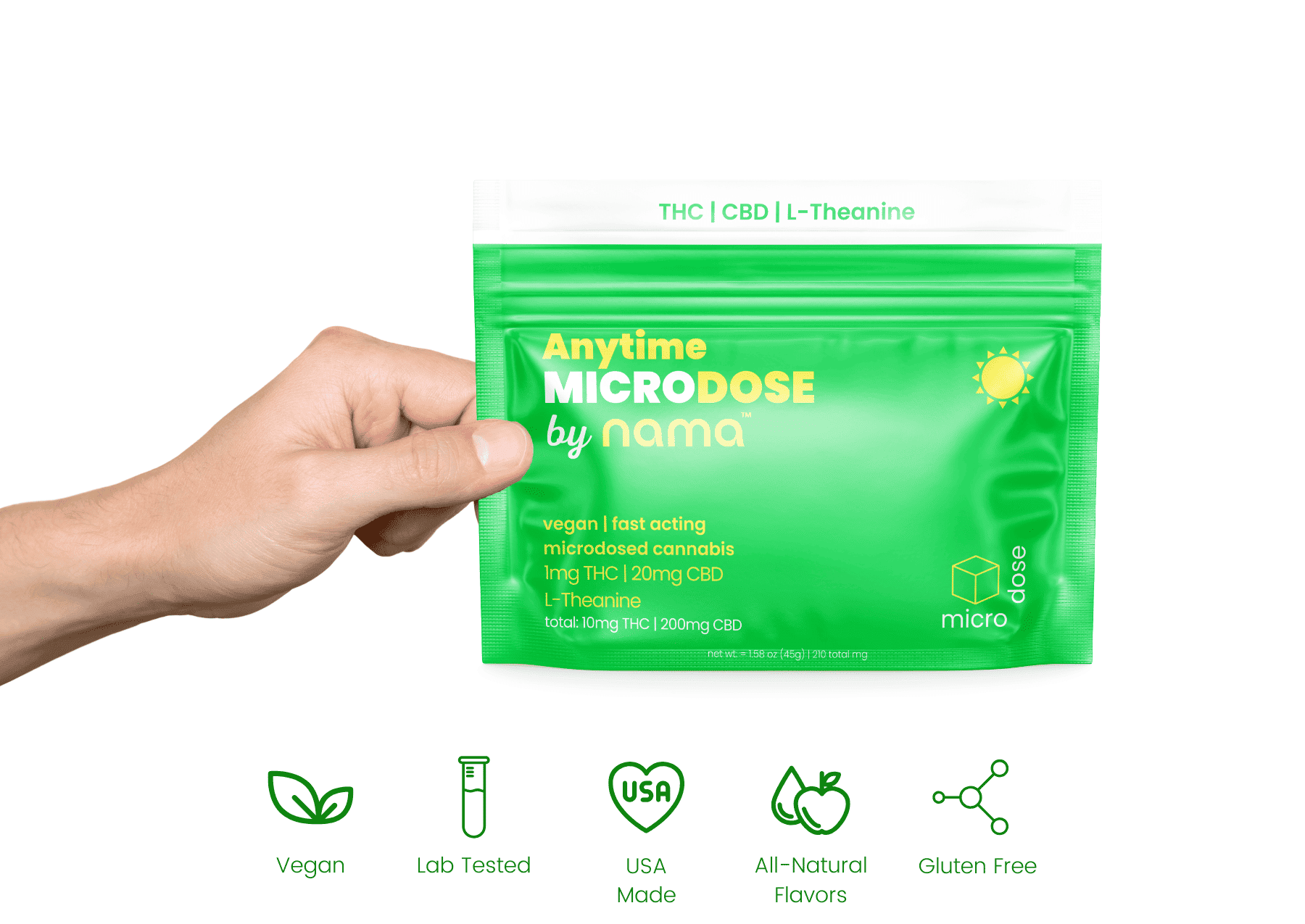
While cannabinoids may offer therapeutic benefits, their unique risks and side effects necessitate careful patient selection and monitoring. When considering cannabinoids for chronic pain management, physicians should weigh not only their effectiveness but also their safety profile against other commonly used analgesics, including opioids, NSAIDs, and gabapentinoids. Case reports of chronic cannabis users have reported adverse cardiovascular risks for myocardial infarctions, tachycardia, dysrhythmias, hypotension, and orthostatic hypertension .
CANNABIS: ADVERSE EFFECTS, DRUG–DRUG INTERACTIONS, AND SPECIAL CONSIDERATIONS
ACP has also published a position paper where it recommends a public health approach to address the legal, medical, and social complexities of cannabis use. As of 2024, 24 states in the U.S. and the District of Columbia have legalized cannabis for adult recreational and medical use, and it is legal for medical use only in an additional 14 states. Current cannabis research has shown that medical cannabis is indicated for symptom management for many conditions not limited to cancer, chronic pain, headaches, migraines, and psychological disorders (anxiety and post-traumatic stress disorder). Cannabis has been used since ancient times for medical and recreational research. According to some research, it is as effective as opioids, which are among the most potent pain-relieving drugs. Medications such as opioids and antiepileptic drugs are also an option.
The most common approach to treating chronic neuropathic pain is conservative pharmacological management followed by interventional strategies such as nerve blocks. Chronic neuropathic pain can result from physical trauma, toxin exposure, infection, metabolic disease, and/or autoimmune disorders. Neuropathic pain arises from a direct lesion or disease of the somatosensory nervous system. THC has been shown to have appetite stimulating and anti-nausea effects, and it is the main cannabinoid responsible for the psychoactive effects of cannabis 17–19. These effects may be maximized with the use of a combination of cannabinoids.

The researchers suggest that cannabis or cannabinoids may be effective for treating some types of chronic pain, including neuropathy (nerve pain). The study followed participants for 3 years and asked them about the effects of the drug on their condition during this time. The researchers found that participants preferred indica strains for pain management, sedation, and sleep, while they would opt for sativa strains to improve energy and mood. In the new study, the researchers measured the electrical current in rodent sensory neurons and how the current changed when CBD, CBG, and CBN were introduced. Chronic pain is a global health challenge, with current treatment options often limited by side effects, addiction risk, and diminished effectiveness over time.
Opioid-based therapies are the standard approach for managing cancer-related pain; however, some patients experience pain that is unresponsive to opioids or develop significant side effects that limit their use . A systematic review by Whiting et al. analyzed 28 studies and concluded that cannabinoids, including THC, when compared to placebo, demonstrated a modest reduction in pain (37% vs. 31%, OR 1.41) and an average reduction of pain scores on a 10-point scale by ?0.41. Generally, inhalation leads to more substantial psychoactive effects compared to oral consumption, as THC concentrations are higher in the brain than in the bloodstream after inhalation . The prolonged use of opioids in managing chronic pain can lead to dependency, increasing the risk of patients transitioning from prescribed use to illicit drug consumption when prescriptions are no longer accessible .
One study suggested that herbal cannabis may result in a trivial to moderate increase in the risk for psychiatric disorders, mania, hallucinations, depression, paranoia, anxiety, and euphoria and a reduction in the risk for suicides and delusions, compared with standard care without cannabis, though the certainty of evidence was low to very low due to risk of bias and imprecision. Though Vertanical’s cannabis tincture may not be available in the U.S. anytime soon, Boehnke says for people seeking treatment for low-back pain, the study suggests it may be worth trying a similar cannabis product instead of opioids. It’s a question spine surgeon Richard Price says he gets at least several times a day from patients who come into his clinic. Standardized mean differences (SMDs) before and after TMLE weighting demonstrated that the weighting approach substantially improved covariate balance (see Table 4).
To summarize, moderate addiction potential, risks for both short- and long-term psychiatric issues, serious drug interaction possibilities, and an increased likelihood of stroke and cardiovascular events are associated with cannabinoids. When evaluating cannabinoids, a patient-centered approach should be adopted by physicians, considering individual pain conditions, drug interactions, and comorbidities. Nevertheless, patients must be closely monitored by prescribers for any psychoactive effects, ensuring that proper titration is achieved.
“The effectiveness of some products for alleviating my back pain at work remains uncertain; however, when severe pain sets in, no medical cannabis treatment has provided relief.” An open-ended survey on the overall perceived effectiveness of medical cannabis for their condition received responses from a total of 51 medical cannabis users. The study revealed variations in previous cannabis use, with 46.8% of participants reporting no usage in the last year, 17.0% indicating use within the past year, and 36.2% having used cannabis in the previous 30 days. A majority of the participants held some level of college education or higher and were either married or cohabiting with a long-term partner. The open-ended survey allowed participants to provide insights into the product’s overall effectiveness, sharing any benefits or side effects they noted, though no follow-up prompts were given to explore these topics further.