
Here are a few options: **Best Cheap eSIM Plans That Won’t Break the Bank** Cheap eSIM plans let you get connected almost anywhere without spending a lot — you simply download a digital profile to your phone instead of using a physical card. They work by letting you choose a low-cost data package from a provider, activate it in minutes, and keep your original number active on a separate line. The main benefit is that you avoid expensive roaming fees and can switch between budget-friendly carriers as you travel or save at home. To use one, just check your phone’s compatibility, buy a plan from an app or website, and scan a QR code to get started.
Here are a few options:
**Best Cheap eSIM Plans That Won’t Break the Bank**
Cheap eSIM plans let you get connected almost anywhere without spending a lot — you simply download a digital profile to your phone instead of using a physical card. They work by letting you choose a low-cost data package from a provider, activate it in minutes, and keep your original number active on a separate line. The main benefit is that you avoid expensive roaming fees and can switch between budget-friendly carriers as you travel or save at home. To use one, just check your phone’s compatibility, buy a plan from an app or website, and scan a QR code to get started.
Finding Affordable eSIM Options That Won’t Break the Bank
Scoring cheap eSIM plans is all about knowing where to look. Instead of defaulting to major carriers, compare prices on aggregator websites that list global and regional options, often offering pay-as-you-go data for pennies per gigabyte. For short trips, consider local networks via eSIM apps, which frequently run promotional deals. Avoid plans with hefty upfront fees or hidden auto-renewal charges; instead, look for prepaid, «top-up» style data packs. A key trick for finding affordable eSIM options that won’t break the bank is to check for «data-only» plans if you don’t need a phone number—they are almost always cheaper. Also, stick with expiration periods that match your exact travel days to avoid paying for unused time.
What Makes an eSIM Plan Budget-Friendly
A budget-friendly eSIM plan hinges on pay-as-you-go data pools rather than fixed monthly subscriptions. These plans let you purchase precisely the gigabyte block you need, avoiding waste. Crucial factors include zero activation fees and the ability to easily top up without penalty. Look for shared regional blocks, which cost less than single-country coverage, and transparent pricing with no surprise roaming charges after your data depletes.
- Exact data packs with rollover or expiration terms clearly stated.
- Flat-rate pricing that covers multiple countries in one region.
- Free basic connectivity (e.g., 128 kbps) after full-speed data runs out.
- No hidden daily connection fees or minimum purchase requirements.
Comparing Prepaid vs. Pay-As-You-Go Data Packages
Deciding between prepaid and pay-as-you-go eSIMs hinges on your travel style. Prepaid packages offer a fixed data block for a set price, ideal for predictable usage. Pay-as-you-go deducts per megabyte, preventing wasted data allowance on short trips. Choose prepaid for heavy streaming or a known stay. Opt for pay-as-you-go for sporadic checking of maps or messages. Q: Which saves more money for a 5-day trip? A: Prepaid usually wins, as pay-as-you-go rates can spike per MB, draining your budget faster than a flat plan.
Top Budget Carriers Offering Low-Cost Digital SIMs
Looking for cheap eSIM plans? Top budget carriers offering low-cost digital SIMs include Airalo, Holafly, and Ubigi. These providers let you skip physical SIMs and activate data instantly on your phone. Airalo often has the lowest per-gigabyte rates for regional travel, with packages starting under $5. Holafly stands out because it offers unlimited data on many plans, which is rare at budget prices. Ubigi is solid for short trips with single-country options. To get the best value, always compare the data allowance versus the price tag—cheap eSIM plans from these carriers mean you can stay connected without paying for features you won’t use.
Global Providers With Wallet-Friendly Rates
Global providers like Airalo, Nomad, and Holafly offer budget-friendly global eSIM coverage for travelers, often undercutting traditional roaming fees. Their wallet-friendly rates apply to regional packs (e.g., Asia, Europe) or standalone country plans, with prices starting near $5 for 1GB. A key advantage is the ability to top up data without switching SIMs, which keeps costs predictable. These carriers frequently run discounts on multi-destination bundles, making them ideal for short trips. However, always confirm your device’s compatibility on their site before purchase to avoid wasted spend.
Regional Players Worth Exploring for Travelers
For travelers seeking budget-friendly regional eSIMs, exploring local operators often unlocks better deals than global giants. In Southeast Asia, providers like Airalo’s local partners or Nomad offer country-specific plans for as low as a few dollars, covering popular destinations like Thailand or Vietnam without roaming markups. European travelers should consider Orange Holiday or Three UK’s prepaid eSIMs, which provide affordable data across multiple countries. South America’s Claro or TIM sims, while less advertised, deliver robust coverage for regional hopping. By sidelining universal carriers for these region-focused SIMs, users capture localized pricing and stronger network integration, making short trips significantly cheaper.
How to Spot Hidden Fees in Low-Priced Plans
When eyeing a cheap eSIM plan, the price tag is just the starting line. First, scrutinize the fine print for a “connection fee” or “activation charge” that inflates the first bill—often buried in terms. Next, check data speed throttling after a low cap, which many budget carriers treat as a hidden downgrade. Always confirm if the “low price” includes top-ups or expires oddly. That leads to the core Q&A: How to spot hidden fees in low-priced plans? Look for asterisks next to the price, then search for “service fee,” “top-up minimum,” or “inactivity fee” in the provider’s policy—these quietly turn a $5 deal into a $15 trap.
Data Throttling and Speed Caps Explained
After you hit a certain data threshold on a cheap eSIM, your connection is often «deprioritized,» meaning your speeds drop drastically while the network is busy. This is data throttling in eSIM plans, a hidden cap that makes videos buffer and webpages load slowly. The advertised speed only applies until you reach this limit. Always check the «fair use» policy for the exact cap speed. Speed caps turn a cheap plan into a frustrating one Japan eSIM if you stream or use navigation.

- Look for the specific speed limit (e.g., 128 kbps or 1 Mbps) after the data allowance is exhausted.
- Check if the cap resets monthly or only after you buy a top-up.
- Verify if the throttle applies to all data types or only during peak congestion hours.
Activation Costs vs. Monthly Savings
A low monthly price can be deceptive if the plan carries a high, non-refundable activation fee. You must calculate the break-even point: divide the activation cost by the monthly savings versus a fee-free plan to see how many months of service are required to recoup the upfront expense. For example, a $10 setup fee on a $5 plan that saves $3 monthly takes over three months just to break even. This makes the plan more expensive initially despite appearing cheap. Always verify the total cost of ownership by adding activation fees to the first three months of service before comparing.
Activation costs can erase months of perceived savings; calculate the break-even point against a fee-free alternative before committing.
Strategies for Maximizing Value on a Tight Budget
To maximize value on a tight budget, prioritize data-only plans over voice bundles, as they often cost less for heavy internet use. Leverage free trial offers from providers to test coverage before committing, ensuring you don’t waste cash on a poor signal. Opt for regional or multi-country plans if you travel internationally, as single-country esims are usually cheaper than global ones. Bypass auto-renewal by using short-term prepaid esims, only activating new ones when needed to avoid forgotten subscriptions. Stack referral credits or cashback from app purchases to lower upfront costs, effectively getting more data for the same limited budget. Always compare per-gigabyte pricing across multiple cheap esim providers before purchasing.

Leveraging Promo Codes and First-Time User Discounts
When hunting for cheap esim plans, always check for first-time user promo codes before buying. Many providers offer a significant discount or free data just for signing up, slashing your initial cost. Search terms like «esim coupon» or «welcome offer» before checkout. Stacking a promo code with a referral bonus can sometimes double your savings. How do I find active promo codes for esim plans? Search on the provider’s official blog, social media, or websites like RetailMeNot, and always enter the code at checkout before confirming payment.
Stacking Multi-Country Bundles for Frequent Trips
For frequent trips across neighboring borders, stacking multi-country bundles is your smartest money move. Instead of buying a separate regional plan for each jaunt, layer a large multi-country eSIM that covers your core destinations, then top it off with a tiny, cheap single-country eSIM for your primary base. This prevents overpaying for expansive coverage you won’t use on short hops. To execute:
- Activate the multi-country bundle at your first airport, using its wide roaming for quick day-trips.
- Keep your cheap regional data for cross-border train rides or weekend getaways.
- Switch to your single-country eSIM only when settled at your main stay, preserving the multi-country bundle’s data for later excursions.
This pairing cuts waste, letting you stretch every gigabyte across multiple itineraries.
Regional Breakdown of Inexpensive eSIM Deals
For cheap esim plans, the regional breakdown of inexpensive eSIM deals shows that Asia-Pacific offers the lowest per-gigabyte rates, with multi-country packages for Southeast Asia often starting below $2. In Europe, regional passes covering the Schengen area are highly affordable, frequently priced under $10 for 1–3 GB across multiple nations. North America remains pricier, though prepaid packages for specific U.S. or Canadian carriers can be found for under $15 for limited data. Africa and the Middle East see competitive deals from local providers like Airalo and MobiMatter, with 1 GB regional plans for around $5. Latin America offers budget-focused options via Claro eSIM, often under $4 for one week in select countries.
Asia-Pacific: High-Speed Options at Rock-Bottom Prices
For travelers seeking blazing connectivity without the cost, the Asia-Pacific region delivers rock-bottom high-speed eSIMs that rival local SIMs. You can secure multi-gigabyte data packages for destinations like Japan, Thailand, or South Korea for under $5, often including 4G/5G speeds from Day 1. These plans bypass expensive roaming while offering immediate activation and reliable network access across dense urban centers and remote islands. Instead of hunting for physical cards, you simply install a QR code and stay connected across multiple countries with one cheap profile.
- Genuine 4G/5G speeds on local networks for as little as $3 per 5GB.
- Regional plans cover multiple countries (e.g., Southeast Asia) for one low price.
- Instant email delivery and real-time top-up options prevent service drops.

Europe: Short-Term Passes Under $10
For a quick trip, scooping up Europe short-term passes under $10 is a total win. Providers like Airalo and Holafly often offer 1GB to 3GB plans for 7 days at this price, covering multiple countries without swapping SIMs. You get instant activation and can stay on WhatsApp or maps. They’re perfect for layovers or short city breaks where heavy streaming isn’t needed.
Can I find a 3GB Europe pass for under $10? Yes, smaller data packages like 1GB or 2GB for 7–10 days frequently fall below that $10 mark from budget-focused eSIM brands.
Americas: Budget-Friendly Data for Domestic Use
For domestic travel within the Americas, budget-friendly eSIM plans prioritize coverage across the US, Canada, and Latin America. Look for regional prepaid data bundles that avoid roaming fees between these countries. A typical sequence for activating a cheap domestic plan involves:
- Purchase a regional eSIM designed for the Americas.
- Install the eSIM profile via a QR code before departure.
- Select a data-only plan (usually 1-5 GB) valid for 7-15 days.
These plans commonly offer LTE/5G on major local networks, ensuring reliable navigation and messaging without a long-term contract.
Common Misconceptions About Affordable eSIMs
A major misconception is that cheap eSIM plans inherently provide subpar network speeds. In reality, many budget providers leverage the same core infrastructure as premium carriers, just without the overhead. Another common error is assuming you cannot keep your primary number; affordable eSIMs typically support dual SIM, allowing your local number to stay active for calls. Users also mistakenly believe data from a cheap eSIM plan expires faster. While some do, many offer genuine 30-day rolling validity at a fraction of the cost. Finally, do not conflate low price with poor security; most reputable budget eSIMs apply standard encryption, making them as safe as expensive alternatives.
Debunking the «You Get What You Pay For» Myth
The «you get what you pay for» myth collapses when applied to budget-friendly eSIM connectivity. Affordable eSIM plans often bypass expensive legacy roaming agreements, directly passing massive wholesale savings to consumers. Coverage quality depends on the underlying local network, not the reseller’s price tag, so a cheap plan can deliver identical speeds and reliability as a premium one. The real secret is avoiding bloated markup for brand recognition. You are not sacrificing performance; you are simply refusing to pay for unnecessary overhead that inflates traditional SIM costs.

Security and Reliability on Discounted Networks
Many travelers assume affordable eSIMs sacrifice protection, but discounted networks often maintain robust security and reliability on discounted networks through partnerships with established infrastructure providers. These carriers use the same encryption protocols and failover systems as premium counterparts, ensuring your data remains safeguarded during roaming. Performance fluctuations typically stem from local tower congestion, not inherent network weakness, making cheaper plans a viable choice for most urban destinations.
- Reputable budget networks route traffic through tier-1 carrier backbones for consistent connectivity.
- Multi-factor authentication and VPN support are standard features on affordable eSIM platforms.
- Automated carrier switching prevents service drops when moving between coverage zones.
Tools to Compare Low-Cost Digital SIMs Instantly
For securing cheap esim plans, tools to compare low-cost digital SIMs instantly are indispensable. Platforms like esimdb and esims.io let you filter by data allowance, validity, and region, displaying live pricing from multiple providers side-by-side. Rather than hunting through carrier sites, use these aggregators to scan for the cheapest eSIM for your specific destination. Always verify the tool includes tax and activation fees in its final price comparison to avoid hidden costs. For frequent travelers, bookmarking a dedicated comparison tool ensures you never overpay for short-term data bundles. A critical practitioner tip: test the tool with a zero-data «free trial» eSIM to confirm its filter accuracy and regional coverage before purchasing.
Top Aggregator Websites for Price Checking
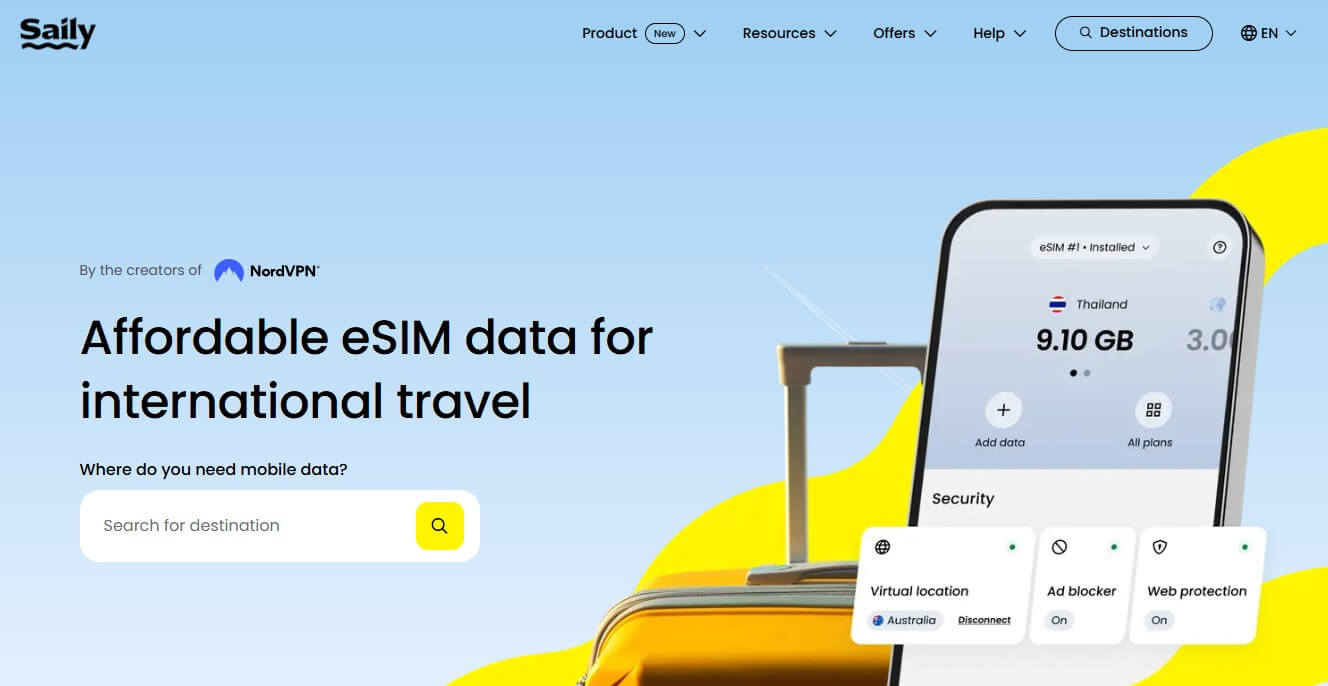
To instantly identify the cheapest eSIM, aggregator websites like best eSIM price comparison tools compile real-time rates across dozens of global providers. These platforms let you filter by region, data allowance, and validity to surface the lowest-cost package without manual cross-referencing. Their value lies in revealing hidden price disparities between providers offering identical coverage zones.
- Especially.io and eSIM.net display side-by-side cost breakdowns for prepaid data plans.
- Airalo’s comparison hub lists promotions limited to its partnered carriers.
- MobiMatter aggregates short-term tourist eSIMs under $5 for specific countries.
Reddit Threads and User Reviews for Honest Feedback
When hunting for the cheapest eSIM, Reddit threads and user reviews cut through marketing fluff, offering raw speed tests and activation gripes you won’t see on provider sites. Scrolling live discussions on r/eSIM or r/travel reveals which budget carriers throttle video or lose signal in real-time, while aggregated reviews from Trustpilot or App Store expose billing traps. This crowd-sourced reality check helps you avoid a dud plan before swiping your card. Real-world user feedback remains the most honest compass for low-cost SIM comparisons.
Reddit threads and user reviews deliver unfiltered, minute-by-minute feedback on cheap eSIMs, highlighting hidden fees and spotty coverage that official pages ignore.
Niche Use Cases Where Minimal Plans Shine
For a quick city break, a minimal eSIM plan shines by giving you just enough data for maps and WhatsApp without paying for a week you won’t use. Travelers on a stopover, like a 12-hour layover in Dubai, can grab a tiny 1GB plan for navigation and transit info, saving on expensive airport Wi-Fi. Another perfect niche is the «digital detox» trip: picking a minimal eSIM plan with only 500MB forces you to check your phone less while staying reachable for emergencies. Even backpackers hopping between countries benefit, as a cheap, low-data eSIM keeps them connected for booking hostels without committing to large local SIMs.
Backup Connectivity for Emergencies
When your primary SIM fails during a power outage or network collapse, a cheap eSIM plan transforms into a lifeline for emergency network redundancy. You don’t pay monthly for unused data; instead, you stockpile a minimal, pre-paid data pack that activates only when your main line drops. This secondary connection lets you refresh weather alerts, send your GPS coordinates, or call a rideshare—all without a contract. It’s a digital spare tire: invisible until you skid off reliable coverage, then instantly restoring your link to help.
Short-Term Rentals and Business Travelers
For short-term rental hosts and business travelers, cheap eSIM plans eliminate the hassle of finding local SIMs between client sites or property checks. A week-long trip to inspect a new rental property in Cancún is perfectly served by a low-cost, 5GB data-only eSIM, avoiding contract lock-ins. On-demand short-term eSIMs let you activate connectivity only during your rental overlap, then discard it without fees. Your spreadsheets and listing photos stay online without a multi-month commitment.
Short-term rentals and business travelers gain cost-effective, temporary connectivity without contracts or physical SIM swaps.
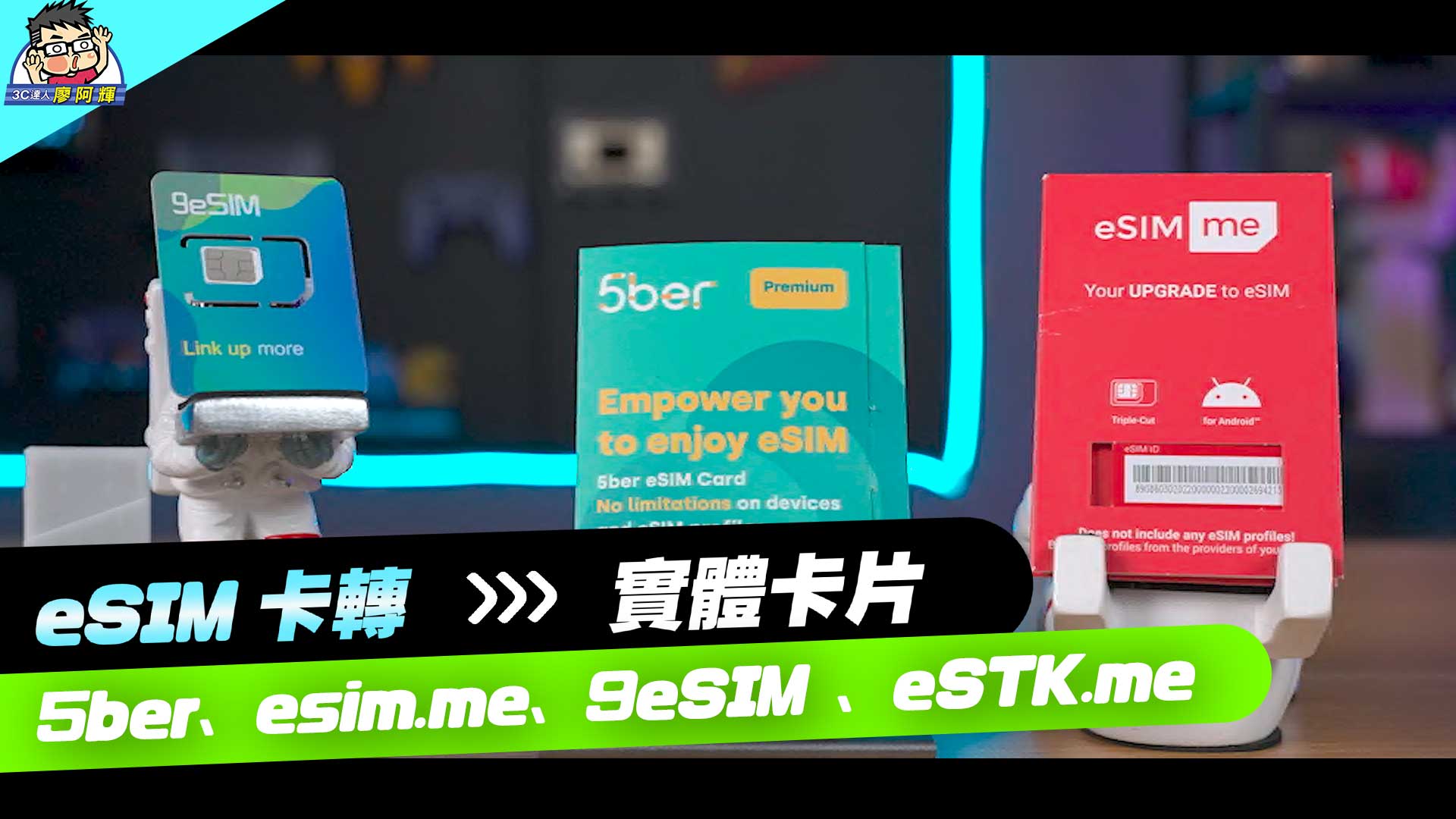
Students and Digital Nomads on a Shoestring
For students and digital nomads on a shoestring, cheap eSIM plans transform connectivity by eliminating physical SIM logistics and roaming contracts. These users prioritize ultra-low-cost data bundles, often prepaying for 1–3 GB per month for under $10. They rely on eSIMs to hop between regional carriers without swapping cards, maintaining access to maps and messaging apps in hostels or coworking spaces. Practical choices include plans from Airalo, Holafly, or Yesim, which offer country-specific or global data-only packages that cancel monthly overhead.
- Select plans with zero expiration on unused data to stretch budgets across slow travel periods.
- Use dual-SIM phones to keep a local number inactive while the eSIM handles data for navigation and voice-over-IP calls.
- Target regional plans covering multiple countries (e.g., Europe or Southeast Asia) to avoid reload costs per border.